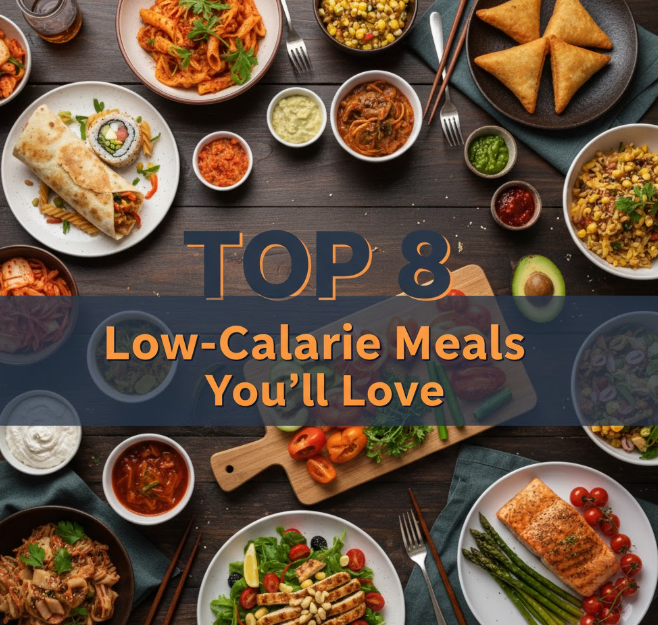
Healthy eating doesn’t have to mean flavorless food or feeling hungry all the time. Eating well whilst following a low-calorie diet doesn’t have to be as hard as you might think – weight loss meals can be easy to make, taste good and keep you on track. Whether you’re dieting, trying to eat healthier or just want a lighter feeling after that next meal, these 8 amazing low-cal recipes will become your go-tos.
The secret of low-calorie cooking is opting to eat foods that can be filling without being calorific. Picture vibrant vegetables, lean proteins and smart seasoning choices that make your taste buds tango. As a bonus, most of these recipes are about 300-450 calories so that you can make room for seconds (or at least feel good about eating the rest of the pan as leftovers.)
Let’s check out eight delicious low-calorie meals that show just how good eating healthy can taste. Every recipe here is built on fresh ingredients, quick preparation and flavors that will have you coming back for more. From bright-tasting Asian-inspired recipes to cozy Mediterranean flavors, there is something here for everyone.
Why Low-Calorie Meals Are Good for Your Health
But before we get to our tasty recipes, let’s take a moment to discuss why opting for low-calorie meals can change your health and energy.
When you consume fewer calories than your body burns, a calorie deficit results and you lose weight. But it’s not all about the numbers on the scale. Low-calorie, high-nutrient meals feed your body all the vitamins, minerals and energy you need to live your best life.
Benefits you’ll notice:
- A stable flow of energy all day long
- Better sleep quality at night
- Improved digestion and less bloating
- Clearer thinking and mental focus
- Stronger immune system response
This way you want to pick meals with low calories but high nutritional value. Empty calories that come from processed junk foods are bound to make you hungrier faster and lead to a vicious cycle, while nutrient-dense low calorie meals will keep you full and energize your body for hours.
Meal 1: Lemon Garlic Shrimp with Zoodles in Spicy Tomato Sauce
Calories per serving: 285
This light dish pairs perfectly cooked shrimp with spiralized zucchini and tastes amazing while keeping your calories in check. Zucchini noodles – AKA “zoodles” are an amazing, low calorie alternative to regular pasta (20 calories per cup compared to 200 for typical pasta).
What makes this meal special:
When tossed with freshly squeezed lemon juice, minced garlic and a hint of olive oil, the marinade is refreshing and zesty — it tastes like something you’d find at a restaurant, not from your own kitchen — and nicely coats each vegetable strand. Shrimp gives you lots of high-quality protein on the cheap, in the form of just 84 calories per three ounces. Added bonus: Your dinner will be on the table in less than 20 minutes.
Ingredients breakdown:
- 8 ounces extra-large shrimp, peeled and deveined
- 3 medium zucchinis, spiralized
- 4 cloves garlic, minced
- Juice of 2 lemons
- 1 tablespoon olive oil
- Chopped fresh parsley and red pepper flakes
- Salt and black pepper
The cooking is dead easy. You’ll very quickly add the garlic, sautéed until just fragrant in olive oil, burst pink shrimp that’s fully cooked through, and give a quick stir of your zucchini noodles for only 2-3 minutes. You only need to cook and heat them through as they are quite robust, you want your zoodles to retain some crunch so that the texture isn’t mushy. Dress with fresh lemon juice, herbs and a dusting of red pepper flakes for heat.
Nutritional information: This dish contains 32 grams of protein, aiding in satiety and maintenance of muscle tissue. The garlic supplies immune-boosting compounds, and lemon juice is packed with vitamin C; plus, it helps your body absorb iron from the shrimp.
Meal 2: Cauliflower Fried Rice and Chicken
Calories per serving: 320
Regular fried rice can lead to upwards of 600 calories per serving, but this cauliflower alternative provides the same flavors you enjoy with fewer than half the calories. Riced cauliflower has been a revelation in low-calorie cooking, providing the structure and adaptability of rice with just 25 calories per cup.
The flavor profile:
This meal has all the savory, slightly smoky magic of takeout fried rice. The magic is in the rich sesame oil, low-sodium soy sauce, fresh ginger and rainbow of vegetables. The diced chicken breast contributes plenty of protein without too much fat.
Key ingredients:
- 1 pound chicken breast, diced
- 4 cups riced cauliflower (fresh or frozen)
- 2 eggs, scrambled
- 1 cup assorted vegetables (such as peas, carrots, corn)
- 2 tablespoons low-sodium soy sauce
- 1 teaspoon sesame oil
- 2 cloves garlic and 1 teaspoon fresh ginger
- Green onions for garnish
The technique matters here. Cook the chicken first and remove to the side, then scramble eggs and remove them from the pan. Then sweat your vegetables and aromatics out, add the cauliflower rice and let that cook for about 5-7 minutes to get rid of extra moisture. It’s a step that is essential to getting the real texture of fried rice and not just this gloopy mess. Return the chicken and eggs to the pan, add your sauces and toss.
Why this combination works: Cauliflower rice takes on delicious flavors and supplies fiber as well as vitamin C. The eggs give the dish a little luxury, plus extra protein, while the mix of vegetables — you can use others if you’d like — includes essential nutrients and texture to keep things interesting.
Meal 3: Greek Turkey Lettuce Wraps
Calories per serving: 295
Leave those laden-with-calories tortillas and excess cheese at the curb with your cumbersome wraps. These Greek flavors in lettuce wraps make you want to get all of the Mediterranean goodness in a nice crispy, crunchy lettuce wrap that amounts almost no calories.
What’s inside:
Imagine seasoned ground turkey mixed with cucumber, tomatoes, red onion and a spoonful of tangy tzatziki sauce resting on oversized butter lettuce leaves. This makes each bite crispy then savory, herby.
Ingredient list:
- 1 pound lean ground turkey (93% lean)
- 8 large butter lettuce leaves
- 1 cup diced cucumber
- 1 cup cherry tomatoes, halved
- 1/4 cup diced red onion
- 1/2 cup Greek yogurt-based tzatziki
- 2 teaspoons dried oregano
- 1 teaspoon garlic powder
- Fresh dill and lemon wedges
Brown ground turkey with oregano, garlic powder, salt and pepper until completely cooked through and crispy around the edges. As the meat is cooling down just a bit, get your vegetable toppings ready. The tzatziki is store-bought, or you can make it with Greek yogurt, grated cucumber, garlic, lemon juice and fresh dill.
To assemble, spread your lettuce leaves out and fill them up one by one like little boats filled with that seasoned turkey, topped with cucumbers, tomatoes, onions and a good spoonful of tzatziki. That warm turkey and cool, crunchy veggies is just so delicious.
Nutritional value: One can of all-white meat turkey is far leaner than anything involving beef, at 22 grams of protein in a serving with little saturated fat. The Greek yogurt in the tzatziki provides probiotics for gut health and more protein.
Meal 4: Baked Salmon with Roasted Brussels Sprouts
Calories per serving: 385
This impressive-looking meal is fit for guests but easy enough for a busy weeknight. Salmon offers heart-healthy omega-3 fats, and the Brussels sprouts give you fiber as well as cancer-fighting compounds.
The winning combination:
Super flaky salmon with a light honey mustard glaze and the most crispy but tender Brussels sprouts. The high-fat oils in a salmon fillet stay hydrated when baked so you don’t have to rely on “creamy sauces” or butter.
What you’ll need:
- 2 (5-ounce) salmon fillets
- 1 pound Brussels sprouts, halved
- 2 tablespoons Dijon mustard
- 1 tablespoon honey
- 1 tablespoon olive oil
- 2 cloves garlic, minced
- Fresh lemon juice
- Salt, pepper, and paprika
Begin by preheating your oven to 400°F. Next, coat the halved Brussels sprouts with olive oil, minced garlic, salt and pepper before laying them out in a single layer on a baking sheet. Quickly roast for 15 minutes to get a head start on caramelization.
Meanwhile, whisk the Dijon mustard with honey and a little lemon juice. Add the salmon fillets to the same baking sheet as the Brussels sprouts, then brush them with the honey-mustard mixture and sprinkle with paprika. Place everything back in the oven for 12-15 minutes or until salmon is flaky when poked with a fork.
Why this meal matters: Salmon only has about 200 calories per 5-ounce serving but it boasts a whopping 28 grams of protein and those important omega-3s that support brain health, reduce inflammation and keep your heart fit. Brussels sprouts contain the good-for-you vitamins K and C, plus they’re surprisingly filling at 38 calories per cup.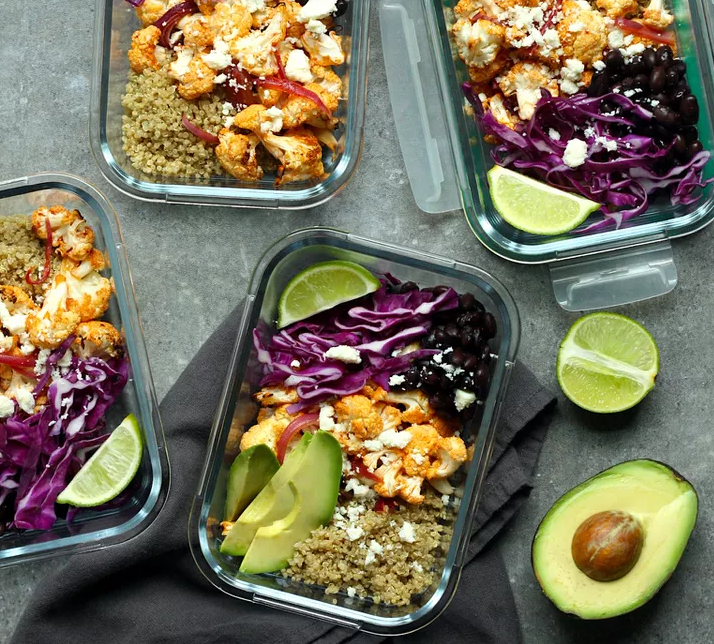
Meal 5: Spicy Black Bean & Sweet Potato Bowl
Calories per serving: 340
This energizing vegetarian bowl shows that meat-free can be super-satisfying. They also form a complete protein, and come in the shape of a natural complex carbohydrate that will keep your body energized and happy.
What makes it delicious:
Cubed sweet potato gets roasted with a hint of smokiness, tossed with black beans (seasoned and not), fresh lime juice, some cilantro, and a dash of feta cheese in a bowl that is comfort food but also fills you up and gives you the energy to tackle your last week until Thanksgiving break. Every part contributes something unique and the different tastes and textures work so well together.
Ingredients needed:
- 1 large sweet potato, cubed
- 1 can (15 oz) black beans, drained and rinsed
- 2 cups fresh spinach
- 1/4 cup crumbled feta cheese
- 1/2 avocado, sliced
- 1 teaspoon cumin, 1/2 teaspoon chili powder
- Fresh lime juice and cilantro
- 1 tablespoon olive oil
Toss the sweet potato cubes with olive oil, cumin, chili powder, salt and pepper then bake at 425°F for about 25-30 minutes or until golden crisp on the edges. As the potatoes roast, heat the black beans in a small pot with a pinch of cumin and garlic powder.
Assemble your bowl with a bed of fresh spinach, the roasted sweet potatoes and seasoned black beans, then feta cheese, avocado slices, some fresh cilantro and a big squeeze of lime juice.
Nutrition powerhouse: Sweet potatoes are rich in vitamin A and fiber, keeping you full longer. 15 grams of protein and fiber per cup of black beans support steady blood sugar and healthy digestion. It’s got a little avocado, some healthy fats to keep the fat-soluble vitamins flowing into your body.
Meal 6: Asian-Style Chicken Lettuce Cups
Calories per serving: 275
These lettuce cups give that satisfying feeling of an Asian takeout without all the high calories from fried wrappers and excessive oil. The filling is savory and has a touch of sweet with lots of flavor from the ginger, garlic, and splashes of hoisin sauce.
The appeal:
Crisp lettuce cups packed with seasoned ground chicken, water chestnuts for crunch and shiitake mushrooms for an earthy flavor. With each bite there is a blend of textures and a range of flavors for your mouth to enjoy.
Required ingredients:
- 1 pound ground chicken breast
- 12 butter lettuce cups
- 1 cup shiitake mushrooms, diced
- 1/2 cup water chestnuts, chopped
- 3 green onions, sliced
- 2 tablespoons low-sodium soy sauce
- 1 tablespoon hoisin sauce
- 2 cloves garlic and 1 tablespoon fresh ginger, minced
- 1 teaspoon sesame oil
- Sriracha for serving (optional)
In a large skillet, heat sesame oil on medium high. Add the ground chicken and cook, breaking it up as you go. When the chicken is about halfway cooked, add the garlic, ginger, mushrooms and water chestnuts. Keep on cooking until chicken is done and mushrooms are tender.
Add the soy sauce, hoisin sauce and green onions, and cook for another minute to meld flavors. Remove from heat and let cool a bit before serving in lettuce cups, drizzled with sriracha if you are a heat-addict.
Health benefits: Ground chicken breast in place of pork cuts calories and saturated fat greatly. Water chestnuts offer a satisfying crunch with little caloric cost while shiitake mushrooms bring immune supporting compounds and a meaty bite that makes this meal satisfying.
Meal 7: Mediterranean Stuffed Bell Peppers
Calories per serving: 310
Quinoa, lean ground beef, tomatoes and herbs in a stuffed bell with cheese makes for a perfectly portioned meal as lovely to look at as it is good for you. It’s got protein, complex carbs and veggies in one place.
What sets them apart:
These are not your abuela’s bulky stuffed peppers filled with white rice and fatty meat. Instead, lean ground beef, protein-rich quinoa and lots of vegetables make for a lighter rendition that doesn’t weigh you down.
Ingredients you’ll use:
- 4 large bell peppers (any color)
- 1/2 pound 95% lean ground beef
- 1 cup cooked quinoa
- 1 can (14.5 oz) diced tomatoes, well drained
- 1/2 cup diced onion
- 2 cloves garlic, minced
- 1 teaspoon Italian seasoning
- 1/4 cup crumbled feta cheese
- Fresh basil
Slice the tops off of the bell peppers and discard seeds and membranes. Put them in a baking dish with a bit of water at the bottom, and set aside.
Cook ground beef with onions and garlic until browned and fully cooked, then drain off fat. Add cooked quinoa, diced tomatoes, Italian seasoning, salt and pepper. Simmer for 5 minutes to combine the flavors.
Spoon the beef-quinoa into each of the bell peppers and sprinkle with a little feta cheese, then cover your baking dish with foil. Bake at 375°F for 30-35 minutes or until peppers are soft. Uncover for the final 5 minutes to allow cheese to brown slightly. Serve with basil leaves on top.
Why they’re healthy: Bell peppers are very calorie-friendly (only 30 per pepper) and packed with vitamins A and C; quinoa contains all nine essential amino acids, making it a complete protein. This dish provides you with 24 grams of protein per serving and also saves calories.
Meal 8: Thai-Style Coconut Curry Soup
Calories per serving: 295
This warming, fragrant soup brings a taste of the exotic to your own kitchen – and for only a fraction of the calories you may find in a restaurant version. Light coconut milk yields a creamy base without feeling overly rich, and Thai curry paste imparts multilayered flavors from just one ingredient.
The flavor experience:
Now think steaming spoonfuls of fragrant broth packed with soft chicken, fresh vegetables and those slivers of lemongrass, ginger and lime. It is comforting and refreshing, with different layers of flavor as you get through it.
Ingredient checklist:
- 8 ounces chicken breast, cut into thin strips
- 1 (13.5 oz) can light coconut milk
- 2 cups low-sodium chicken broth
- 2 tablespoons red curry paste
- 2 cups mixed sliced vegetables (bell peppers, snap peas, carrots)
- 1 tablespoon fish sauce
- 1 tablespoon fresh ginger, minced
- 2 cups baby spinach
- Fresh lime juice and cilantro
- Sriracha for serving
In a large pot, whisk together coconut milk, chicken broth, curry paste, fish sauce, and ginger. Bring to a gentle simmer, then add the sliced chicken and mixed vegetables. Cook for 10-12 minutes, until the chicken is cooked through and the vegetables are crisp-tender.
Add the baby spinach and let it wilt for a minute. Remove from heat and stir in fresh lime juice. Serve hot with fresh cilantro and sriracha on the side for those who desire some extra heat.
Nutritional advantages: Light coconut milk halves the calories of the full-fat versions while still providing that creamy texture. The vegetables add volume and nutrients without many calories, making this soup massively filling. Contains 25 grams of protein per serving and a number of vitamins thanks to the colorful vegetables.
Smart Strategies for Success with Low-Calorie Eating
You now have eight fantastic recipes, so here’s how to use them to help you stick with a low-calorie eating plan for longer.
Meal prep is your friend: Instead of rushing it on a weeknight, spend a few hours on Sunday chopping vegetables. Add other components ready to use—cooked quinoa, roasted vegetables, or marinated proteins.
Keep a close eye on portions of healthy fats: Ingredients like olive oil, nuts and avocado are good for you but calorie-heavy. Measure these instead of eyeballing to make your meals really low-cal.
Drink up: Thirst can sometimes be mistaken for hunger. Sip water throughout the day, and have a glass before meals to help you feel fuller.
For more detailed guidance on healthy eating and nutrition, visit the USDA’s MyPlate resource.
Common Mistakes to Avoid
Even people with the best intentions often slip and struggle to keep a low-calorie diet. Here’s what to watch out for:
Skipping meals to save calories: Counterproductive because it leaves you ravenous enough that you’re apt to eat more later on. During the average day, maintain regular mealtimes and healthful snacks.
Ignoring liquid calories: Drinks such as juice, soda, fancy coffee drinks and alcohol pile on the calories without satiating you. But in general, stick to water, unsweetened tea or black coffee most of the time.
Skimping on protein: Protein is satiating and helps maintain muscle mass. That’s why all eight of these meals have a decent protein source.
Cutting out whole food groups: Your body requires carbohydrates, protein and fat in order to function properly. These meals are a source of all three macronutrients.
Eating too little: Very-low-calorie diets slow down your metabolism and can result in nutrient deficiencies. Aim for 1,200-1,500 calories a day for women and 1,500-1,800 for men unless you are supervised by a health care professional.
How to Do Low-Calorie Meals The Right Way
These eight meals are templates to tinker with according to your taste and schedule. Here’s how to make them work for you:
Batch cooking: Many of these recipes can be doubled or tripled. There are large portions of the recipe you could make, and freeze in individual servings, for busy weeks. The stuffed peppers, cauliflower fried rice and curry soup all freeze beautifully.
Switch recipes: Use the zucchini noodles with other proteins or put a bowl of the Greek turkey mixture over quinoa in place of lettuce wraps. Flexibility prevents boredom.
Recruit your family: These aren’t “diet food meals”—they’re delicious dishes that anyone would like. Get the whole family involved in preparing and cooking meals so that eating healthy food becomes a joint endeavor.
Restaurant inspiration: If you find a low-cal meal that you love at a restaurant, consider creating it at home where you have control over the ingredients and portions.
Monitor your progress: Maintain a basic food diary or use an app to log what you eat and how it makes you feel. This intuition allows you to see what works for your body.
Calorie Comparison Chart
Here’s a helpful side-by-side to illustrate how you’ll be saving, calorie-wise, from these alternatives:
| Meal Type | Traditional Version | Low-Calorie Version | Calories Saved |
|---|---|---|---|
| Pasta with Shrimp | 650 | 285 | 365 |
| Fried Rice | 600 | 320 | 280 |
| Beef Tacos (3) | 550 | 295 | 255 |
| Salmon Dinner | 500 | 385 | 115 |
| Burrito Bowl | 750 | 340 | 410 |
| Spring Rolls (4) | 480 | 275 | 205 |
| Stuffed Peppers | 450 | 310 | 140 |
| Coconut Curry | 580 | 295 | 285 |
These savings add up quickly. Even if you eat three meals a day and you’re only cutting out an average of 250 calories per meal, that’s still 750 calories each day—or 5,250 calories per week—enough to lose more than one pound weekly without feeling hungry or deprived.
Frequently Asked Questions
Can I actually lose weight by eating these meals?
Yes, as long as those meals put you in a calorie deficit. Weight loss occurs when you are burning more calories than you are eating. These meals make it so much simpler for me to stay in a deficit due to them being low in calories, high in volume and full of nutrients. Pair them with some regular exercise and it’s game on.
Will I really be hungry eating the low-calorie stuff?
Not if you pick the right ones. All eight of the meals in this article are designed with protein, fiber, and great volume from plenty of vegetables that will keep hunger at bay. You may feel a little less full after a 700-calorie meal at first, but your body adjusts within a week or two.
How frequently can I have these meals?
As often as you like! These are not meant to be diet foods but rather healthful, balanced meals you shouldn’t have any qualms about eating all the time. Cycle through them so you’re not missing any vital nutrients and to stave off taste fatigue.
Do I need special ingredients?
Many of the ingredients are sold at regular grocery stores. It’s now possible to buy riced cauliflower, spiralized zucchini and light coconut milk at mainstream grocers. If you can’t locate something, easy swaps suffice — regular cauliflower that you chop finely will take the place of riced cauliflower, for instance.
May I have additional food if I’m still hungry?
Absolutely. Throw in extra vegetables to any meal, or eat a piece of fruit afterwards, or have a small side salad. You can also add these without a lot of extra caloric content (just more happiness). If all else fails, you can increase portion sizes just a tad if required for your energy needs.
Can you meal prep these meals?
Nearly all of them are great for meal prep. The cauliflower fried rice, stuffed peppers, curry soup and black bean bowls all reheat (microwave or stovetop) in 3-4 days. If you have the time and motivation, some things — like the shrimp dish and lettuce wraps — are best made last minute, but others can be prepared ahead and put together in a snap.
If I don’t like one of the main ingredients?
Swap it out! Don’t like shrimp? Sub chicken or tofu in the zucchini noodle recipe. Don’t like Brussels sprouts? How about broccoli or green beans alongside the salmon. They are flexible structures, not strictures.
Can kids eat these meals?
Definitely. It is real, honest to goodness food that not only tastes good but it feels good to eat! These meals are ideal for family dining. Children might prefer dishes like curry soup or lettuce cups with slightly milder seasoning, but other than that these meals offer superb nutrition for growing bodies.
Your Way Forward with Low-Calorie Eating
You have got eight awesome low-calorie meals that show healthy eating doesn’t have to be bland or disappointing. Each recipe offers something distinct to set you up for dinner success—from the zesty, vibrant notes of the lemon garlic shrimp to the cozy comfort of Thai coconut curry soup.
Long-term success isn’t about perfection; it’s a progression. Start by testing one or two of these dishes this week. Take note of how you feel after consuming them: running on even energy, minus that toxic-sluggish sensation but very satiated by eating in the best way.
Once you feel comfortable with these recipes, begin to experiment. Toss in a couple of your favorite vegetables, experiment with toppings or scale the portion sizes to fit your preferences. Cooking low-calorie meals is a practice, and you’ll learn how to cook healthy meals like a professional in no time.
And remember — food is for enjoying, not fearing. These eight meals prove that with a little bit of clever food selection and delectable cooking technique you can eat well, not gain excess weight, and feel pretty darn good in your body. Your path to healthier eating begins with a single meal — why not start here?