10 Global Food Trends to Try in 2025
The world of food is changing, perhaps more quickly than ever. Brace yourself: From the corner store to fancy downtown restaurants, there are new flavors and eating habits in town. Now that we are navigating our way through 2025, here are a few interesting food trends that are really hitting their stride across the world. And these trends are far from one-off fads — we’re changing the way we think about meals, our health and even our planet.
Whether you fancy yourself a foodie who is always looking to try something new or just someone interested in what’s winding up on plates around the world, these are trends that paint the stars in where our collective taste buds are traveling. Some up the health ante, others prioritize convenience and many are all about making what we eat better for the planet. Wading into the 10 hottest food trends that are taking over our kitchens, restaurants and supermarkets in this future-food forest.
What 2025 Looks Like for Food Culture
This year is different because people are giving more thought to where their food comes from and what’s gone into it. Technology is combining with age-old cooking techniques to create something totally new. And climate change is forcing us to make smarter food choices, just as social media continues to spread good ones faster than ever.
Many of these changes are driven by young people, but everyone will find something to satisfy their tastes in this new era. The common thread? People want food that tastes great, is good for them and doesn’t destroy the planet. So now, let’s delve into all these trends making 2025 the year of food innovation.
1. Mushroom Magic: Fungi in the Spotlight
Mushrooms are having their day, and it’s past time! In addition to the same old button mushrooms found on pizza, exotic species like lion’s mane, maitake and cordyceps are popping up all over. Restaurants are building entire mushroom-centered menus, and home cooks are playing with these earthy ingredients.
Why the mushroom boom? The fungi provide serious nutritional power. They contain vitamins, minerals and compounds that help keep your brain healthy and support your immune system. Lion’s mane mushrooms, for example, are under study for their potential to increase memory and concentration.
And the truly exciting trend, to me, is the center-of-the-plate mushroom product replacing meat. Mushroom “bacon,” “jerky” and even “steak” are converting die-hard meat eaters. Its texture is shockingly close, and its umami flavor — that savory, satisfying taste — makes mushrooms ideal stand-ins for meat.
Coffee enthusiasts, too, are hopping on board the mushroom train. More recently, mushroom coffee blends are being marketed as a way to get the energy punch of coffee without the jitters, by mixing traditional coffee with powdered medicinal mushrooms. Some people insist that it helps them focus better all day.
Popular mushroom products in 2025:
- Mushroom leather for sustainable packaging
- Mycelium-based meat alternatives
- Functional mushroom supplements
- Mushroom pasta and noodles
- Ready-to-drink mushroom elixirs
2. Climate-Friendly Eating: Food Choices That Help the Planet
More people are making the connection between what they eat and environmental impact. Smarter choices lead to lighter carbon footprints. Climate-friendly eating isn’t just about going vegetarian, but rather making smarter food choices that will keep more greenhouse gases out of the atmosphere.
This approach emphasizes the consumption of local foods that are in season and minimizes wasted food. Restaurants are calling attention to which items on the menu have the least impact on the environment, and grocery stores are labeling products with carbon footprint information.
Key aspects of climate-conscious eating:
| Food Choice | Environmental Savings | Examples |
|---|---|---|
| Eating local | Fewer emissions from transport | Eating strawberries in the summer, not in February |
| Buying local | Supports local farmers & reduces shipping | Farmers’ market shopping |
| Whole foods | Less energy for processing | Cooking dried beans instead of canned |
| Reduced meat consumption | Lower methane emissions | “Meatless Mondays” |
| Zero-waste cooking | Small landfill impact | Using veggie scraps to make broth |
Now companies are responding with innovations such as regenerative agriculture — farming practices that actually boost soil health and capture carbon in the atmosphere. Brands feature their regenerative certifications prominently on packaging.
At least in this trend, perfection isn’t even necessary. Small changes add up. Picking one locally sourced ingredient each meal or volunteering to cut down on food waste does help.
3. Fermented Foods Beyond Kimchi
Fermentation is the way we have been preserving food for centuries, but in 2025 there is a plethora of creative fermented products to experiment with. Kimchi and kombucha may have kicked off this trend, but these days, everything is getting the fermentation treatment.
Fermented foods are really good sources of probiotics which help maintain gut health and aid in digestion. A healthy gut is linked to a better mood, stronger immunity and clearer skin — benefits that appeal to health-minded eaters.
What’s fermenting in 2025:
- Complex flavored fermented hot sauces
- Koji-fermented vegetables (the source of that mold that gives us miso and soy sauce)
- Healthy soft pour fermented fruit sodas
- Matured nut cheese with complex flavors
- Medicinal fermented honey
Home fermentation kits are selling out. People love the DIY aspect and the satisfaction of making their own probiotic-rich foods. Plus, contribution to your gut. And actually it would be a good thing considering fermentation allows food to be preserved naturally without refrigeration (sustainability and traditional food wisdom, anyone?).
You can’t believe what happens to taste in fermented foods. The process creates a dimension of taste complexity that you just aren’t going to be able to develop any other way — tangy, funky and savory notes that make food more interesting.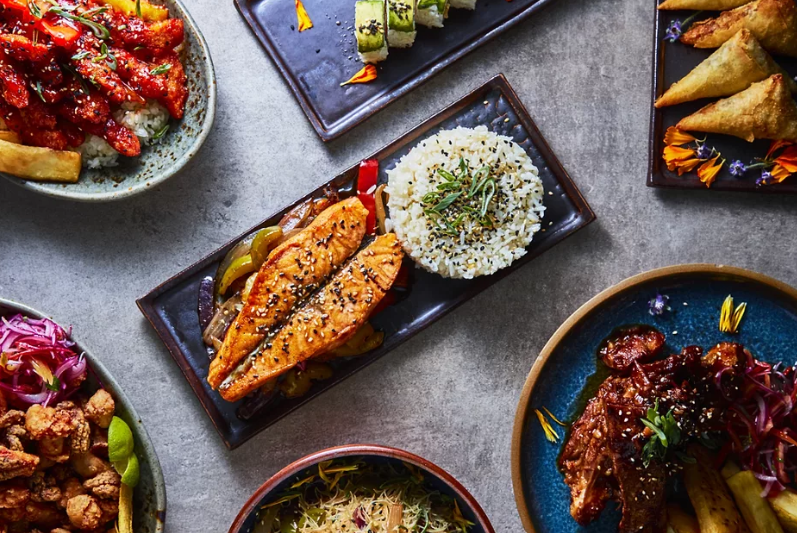
4. Cuisines of the Hyper-Regional Variety: Local Food Stories, Part Three
Instead of the massive, sweeping designations known as “Italian food” or “Chinese food,” 2025 is instead rejoicing in special regional cuisines with stories and traditions behind them. Diners are eager to know exactly where their food traditions originate.
What this means is that restaurants are increasingly getting super specific. Instead of the generic Mexican restaurant, you have specialists in Oaxacan cooking or Yucatecan dishes. Instead of hazy “Asian fusion,” menus are turned toward traditions like Sichuan, Hakka or Peranakan.
Why it matters: Every region has its own ingredients, cooking methods and cultural history. By showcasing particular regions, chefs can maintain authentic techniques and teach diners about food history.
Social media is huge here. It’s filled with the best bites and what kind of foods to eat in certain places, which gets people intrigued on trying a specific type of food. The internet has made the world smaller, and people want to be able to taste these authentic experiences.
This also benefits small producers and traditional food makers. The rise of a cuisine is an obvious boon to the communities that have kept those food traditions alive for generations.
5. Algae and Seaweed: Why You Should Try the ‘New’ Vegetables of the Sea
The ocean is our next great frontier for food, and algae products are its trailblazers. From spirulina smoothies to kelp noodles, sea vegetables are awashing upon mainstream menus.
Seaweed is highly sustainable—it grows quickly, doesn’t require fresh water or fertilizer, and actually purifies ocean water as it grows. And nutritionally, it’s rich in minerals like iodine, calcium and iron, but also omega-3 fatty acids that are typically present only in fish.
Seaweed products taking off:
- Seaweed crackers in various flavors (instead of chips)
- Kelp-based pasta alternatives
- Spirulina protein powders for smoothies
- Cooking algae oil (sustainable replacement for fish oil)
- Seaweed seasonings and condiments
Even the flavor is improving. Early seaweed products tasted too much like the “ocean” for some people — turned off by weedy, soggy flavors assaulting their palates — but 2025 versions are an improvement. Chefs are learning to balance the seawater piquancy with other flavors.
And climate scientists love this trend because seaweed farming can help fight ocean acidification and doesn’t compete with land-based agriculture. As global populations expand, we need more sources of food and the ocean has huge potential. Learn more about sustainable seaweed farming practices and their environmental benefits.
6. Precision Fermentation: Lab-Grown Ingredients
This may sound super scientific, but it’s changing the way we make some foods. The technology harnesses microbes to churn out particular ingredients — picture brewing, only instead of beer in the drum, you’ve got proteins or fats.
The biggest application? Creating animal products without animals. Real dairy proteins (whey and casein) are being made by companies without any cows, resulting in ice cream and cheese that taste the same as their traditional counterparts but don’t require a single animal.
Benefits of precision fermentation:
- Same taste and whole feel of typical stuff
- No animals needed
- Much smaller environmental footprint
- Can be made anywhere, regardless of climate or terrain
- Eliminates animal welfare concerns
This is not plant-based alternatives. In precision fermentation the actual molecules found in animal products are produced. At the molecular level, the protein structure is exactly the same and that is why it tastes and cooks just right.
Looking forward to 2025, we have more precision-fermented ingredients in our products. The list of such products is growing by the day: Egg whites for baking and collagen used in nutritional supplements, as well as honey that doesn’t require bees are starting to reach shelves. The prices are falling as production ramps up, putting these options within reach for more people.
7. Adaptogens and Functional Beverages
And in 2025, drinks are fulfilling needs beyond thirst. Drinks packed with adaptogens — natural ingredients that help your body handle stress — are popping up everywhere from gas stations to health food stores.
Adaptogens are an umbrella term for herbs and mushrooms like ashwagandha, rhodiola, holy basil and reishi. These ingredients are nothing new to traditional medicine systems, which have used them for centuries — but now modern science is catching on to many of their benefits.
Popular functional beverage categories:
| Beverage Type | Key Ingredients | Claimed Benefits |
|---|---|---|
| Energy drinks 2.0 | Green tea, B vitamins, ginseng | Sustained energy (but no crashes) |
| Relaxation drinks | L-theanine, chamomile, magnesium | Relief from stress and an improved night’s rest |
| Focus enhancers | Lion’s mane, caffeine, rhodiola | Improved focus |
| Immunity boosters | Elderberry, vitamin C, zinc | Stronger immune system |
| Mood lifters | Ashwagandha, saffron, probiotics | A buffer against bad moods |
These beverages taste great, too. No more chugging strange-tasting health foods. The 2025 variety comes in tasty flavors like mango-passion fruit, berry bliss and citrus mint.
The trend speaks to the desire among people for easy health solutions. Rather than popping a bunch of supplements, you can sip something delicious with some functional benefits. So many of us are swapping that cuppa or evening cocktail for these healthier options.
8. Nose-to-Tail and Root-to-Stem Cooking
The need to minimize waste is behind this trend toward utilizing every part of plants and animals. Chefs are doing interesting things with the ingredients that used to be thrown away, turning ‘scraps’ into delicious dishes.
For vegetables, this translates to using carrot tops for pesto, broccoli stems in slaws, and beet greens in salads. Leaves from the cauliflower—it’s delicious and edible—are being roasted and served with the florets.
With meat, nose-to-tail cooking is about paying homage to the animal by making use of everything — from prime cuts all the way down to organs, bones and connective tissue. Upmarket menus are featuring bone marrow, liver pâté, even braised tongue. So it’s not new in the world — lots of people, after all, have always eaten this way — but it’s new in Western prototype dining.
Why this approach matters:
- Dramatically reduces food waste
- Usually more nourishing (organ meats are packed with vitamins)
- More economical
- Respects resources and ingredients
- Creates new flavor experiences
Home cooks are doing that too. Instagram and TikTok are rich with advice on making use of every bit of ingredients. That leftover rotisserie chicken carcass? Perfect for making rich stock. Those herb stems? Blend them into chimichurri.
This also ties into both environmental mindfulness and saving money. Why waste perfectly good food when you can make something delicious out of it?
9. Old Grains in New Clothes
Quinoa was one to kick this trend off years prior, but 2025 is the year that we’ll truly see an inundation of ancient grains flooding the food scene. Grains like teff, amaranth, millet, sorghum and farro have been supplanting conventional wheat and rice in a host of dishes.
These were ancient grains, eaten by ancients that were sustainable for thousands of years. They are often hardier against drought and poor soil than modern crops — an important trait for agriculture as the world deals with climate change.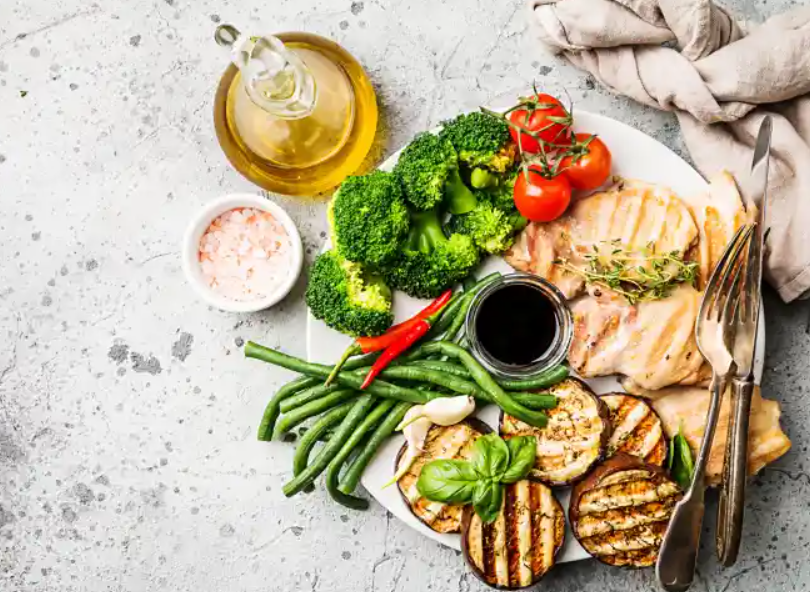
Nutritional advantages of ancient grains:
- Containing higher levels of protein than modern wheats
- More fiber for digestive health
- High in minerals such as iron and magnesium
- Many are naturally gluten-free
- Lower glycemic index if you want to be technical (keeps blood sugar stabilized)
Ancient grains bring variety in texture and nuttiness to meals. Tiny teff, no bigger than a poppy seed, results in a light and fluffy porridge. Farro is toothsome and satisfying in salads. Millet puffs up light and fluffy, perfect for rice substitutions.
Now, food companies are adding these grains to crackers, cereals, pasta and bread. “Ancient grain” designations will appear on even more products as companies respond to consumer interest in alternative, healthful ingredients.
The cultural part is a big deal, too. Many of these grains hail from specific regions — teff from Ethiopia, amaranth from Central America — and the popularity can also help preserve agricultural biodiversity and traditional farming knowledge.
10. Personalized Nutrition Through Technology
2025 is the year that food becomes personal. Digital technology is making personalized nutrition advice, tailored to your individual body makeup, lifestyle and goals, more accessible than ever. This is not just general diet advice — it’s personalized advice for you.
DNA testing kits can examine how your body metabolizes various nutrients. Some people metabolize caffeine rapidly; some slowly. Some require more vitamin D; others have ample. This information can be harnessed to make eating plans designed to function in tune with your individual biology.
They look like this: That’s the flashy (pun intended) same-day monitor, available only at clinics for now. But fitness folks have been using them to track how various foods affect their blood sugar. You may find that rice spikes your blood sugar but potatoes don’t — or the other way around. That live feedback is what helps you make better food choices.
Personalized nutrition technologies:
- AI-powered meal planning apps
- Microbiome tests for better bowel health
- Blood testing for nutrient deficiencies
- Apps to monitor food reactions and symptoms
- Smart kitchen gear that learns your recipes
Such information is being used by meal delivery services to come up with foods that are entirely customized. Type in your likes, dislikes, dietary restrictions and health objectives — as well as the findings of your blood test — and get meals designed for the unique physiology of your body.
The trend reflects a move away from one-size-fits-all diets to truly individual ones. What works for your friend might not work for you, and technology may start to help us answer the question of what does.
How These Trends Connect
If we look across all ten trends, some common themes arise. Sustainability is a thread in many of them — from climate-friendly eating to ocean vegetables to nose-to-tail cooking. Health awareness is ubiquitous, be it in functional drinks or personalized nutrition or fermented foods.
Tech is what underlies many of the trends, but there’s also a reversion to folk wisdom. Ancient grains, fermentation and regional cuisines respect the wisdom that has been passed down through the generations. Innovation vs. Tradition Seems to Be the Future of Food.
These trends also reveal increasing recognition that what you eat can have bigger implications than personal health. They impact the environment, animal welfare, small farmers and cultural preservation. People want to vote with their eating.
What This Means for You
You don’t have to adopt every trend to be included in the 2025 food revolution. Pick what resonates with you. Maybe you begin by devoting one meal per week to meatless proteins, or testing a new ancient grain. Maybe you are a tinkerer with home fermentation or a hunter of hyper-regional restaurants.
This is the magic of food trends: They make eating more interesting and intentional. They broaden our palates, bring us to new flavors and ingredients. Minor adjustments in the way we eat can make a major difference for our health and the planet.
Check out the area’s farmers markets for seasonal, local ingredients. Give that latest functional beverage at your health food store a shot. Ask restaurants how they practice sustainability. Read labels to see where products are made. So all of this is just part and parcel of the larger changing food culture.
Frequently Asked Questions
Q: Are these food trends more costly than just eating regularly?
A: Some things are more expensive up front, but the trends run to saving money. Doing an end run around the whole vegetable, eating seasonally and cutting down on food waste absolutely reduce costs. Yes, it’s true that premium products such as functional beverages or specialty mushrooms are going to cost you a few extra bucks, but these trends can be implemented over time with your budget in mind.
Q: Where can I buy exotic mushrooms and ancient grains?
A: All of the popular types are now sold in most big grocery stores. Specialty markets and health food stores have the most extensive selections. Almost any ingredient you could want, online retailers will ship. You will find local mushroom farmers at many of the farmers markets. Begin with what’s local to you — even the most common mushrooms and grains are highly nutritious.
Q: Personalized nutrition, hype or necessary?
A: It’s not something that everyone needs at this point, but it can be beneficial if you’re worried about a particular health issue, haven’t found success with generic diets or are just looking to maximize your nutrition. Most people do well with basic healthy eating principles. Custom nutrition represents one more degree of optimization for people who desire it.
Q: Do these food trends appeal to kids?
A: Absolutely! Most of these trends also make food more fun and interesting for kids. Products made with mushrooms tend to be mild-flavored ones that kids enjoy. You can cook with ancient grains easily. Fermented foods may be added slowly. Getting kids involved in climate-friendly food choices is a great way to teach good lessons. Begin small and have it be an adventure.
Q: How can I tell if a trend is actually healthy or if it’s just marketing?
A: Seek support from science, not just trends. Trustworthy sources are nutrition based journals, university studies, registered dietitians. Take such accolades in extreme moderation and treat them with skepticism. Most fads do have good science behind them even though the marketing may overemphasize.
Q: Are these trends here to stay or will they burn out?
A: A lot of current trends are signals of deep changes in the way we think about food and will have staying power. Sustainability concerns aren’t going away. Technology will keep advancing. But some products and brands are more ephemeral. Don’t concentrate so heavily on the latest fads and instead look to underlying principles (eating a wide variety of nutrient-rich, environmentally sustainable foods) that won’t change.
The Future on Your Plate
Trends in food represent who we are and what we value. And the 10 trends we’ll be lusting after in 2025 reveal that when it comes to food, health and sustainability, tradition and innovation or flavor-forwardness can’t be mutually exclusive. That’s a lot to expect from what we eat, but food has always been about more than fuel.
And these trends make me excited to eat again. They ask us to question what we do with ingredients that are overlooked, cuisines we haven’t yet explored, and impacts we haven’t imagined. They connect us to cultures, places and ourselves in ways we hadn’t known before.
Keep an eye out for these trends in your area as 2025 unfolds. Try something new. Ask the chefs and farmers what they’re jazzed about. Share findings with friends and family. Food culture turns on the choices made by living, eating people making them one meal at a time.
The most delicious part? We have only begun to scratch the surface. These 10 trends are providing such vast room for myriad permutations and mutations. The world of food has never been more varied, creative or (let’s be honest) morally responsible than it is today.
So the next time you have a bite to eat, think about the global dynamics that may be at work behind what’s on your plate. Those mushroom stir-fries, those kelp noodles, that functional beverage — they’re all part and parcel of the larger story of how humans are adapting what we eat to a changing world. Oh, and you’re in that story, too.