A busy life often begins and ends in the kitchen. Whether you are making a quick breakfast before school or preparing dinner after a long day, the kitchen can either feel like a helpful space or a stressful one. A smart kitchen is not about expensive gadgets only—it is about simple habits, clever organization, and time-saving techniques that make daily cooking easier and faster.
In this detailed guide, you will learn smart kitchen tips that save time and effort, reduce stress, cut food waste, and help you enjoy cooking more. Every tip is practical, easy to follow, and designed so even an 8th or 9th-grade student can understand and apply it.
Why Smart Kitchen Habits Matter
Cooking every day can feel tiring, especially when:
- Ingredients are hard to find
- Tools are messy or missing
- Cleaning takes longer than cooking
Smart kitchen habits help you:
- Cook meals faster
- Reduce daily workload
- Save energy and money
- Keep your kitchen neat and organized
A little planning and organization can turn your kitchen into a smooth, stress-free workspace.
Organize Your Kitchen for Faster Cooking
Arrange Items by Daily Use
One of the biggest time-wasters in the kitchen is searching for tools or ingredients.
Smart tip: Keep frequently used items within arm’s reach.
Examples:
- Cooking oil, salt, and spices near the stove
- Plates and glasses near the sink
- Knives and cutting boards on the counter
Less-used items like large pots or special appliances can be stored on higher shelves.
Use Drawer Dividers and Storage Boxes
Messy drawers slow you down.
Benefits of drawer dividers:
- Easy access to spoons, forks, and knives
- No time wasted searching
- Cleaner and safer storage
You can also use:
- Small boxes for spice packets
- Clear containers for dry foods
- Stackable bins for snacks
Create Kitchen Zones
Dividing your kitchen into zones saves time and effort.
Common kitchen zones:
- Prep Zone – Cutting board, knives, mixing bowls
- Cooking Zone – Stove, pots, pans, spices
- Cleaning Zone – Sink, dish soap, scrubbers
- Storage Zone – Pantry, fridge, cabinets
When everything has a place, cooking becomes faster and smoother.
Smart Meal Planning That Saves Hours Every Week
Plan Meals Before Shopping
Meal planning reduces daily stress and last-minute decisions.
How to plan meals easily:
- Decide meals for 5–7 days
- Repeat simple meals
- Use leftovers creatively
Benefits:
- Less time thinking “What should I cook?”
- Faster grocery shopping
- Less food waste
Simple Weekly Meal Plan Example
| Day | Meal Idea | Prep Time |
|---|---|---|
| Monday | Vegetable rice | 20 min |
| Tuesday | Chicken sandwiches | 15 min |
| Wednesday | Lentil curry + roti | 25 min |
| Thursday | Pasta with vegetables | 20 min |
| Friday | Egg fried rice | 15 min |
This kind of planning keeps cooking stress-free.
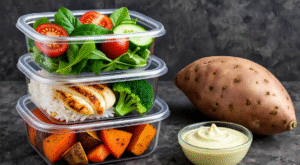
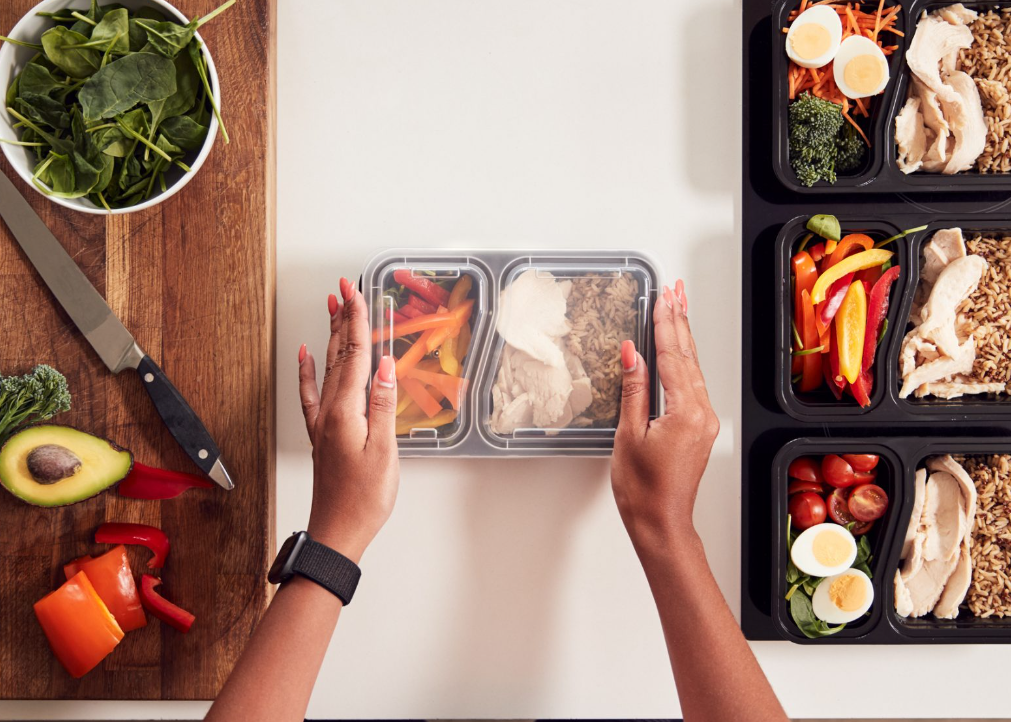
Batch Cooking for Busy Days
Batch cooking means preparing food in larger amounts.
What you can batch cook:
- Rice
- Boiled lentils
- Chopped vegetables
- Cooked chicken
Store them in airtight containers and use throughout the week.
Result: Less daily cooking, more free time.
Time-Saving Food Prep Tricks
Pre-Cut and Store Ingredients
Chopping vegetables every day wastes time.
Smart prep ideas:
- Chop onions for 3–4 days
- Peel garlic and store it
- Wash and cut vegetables in advance
Store them in the fridge using airtight containers.
Use One-Cutting-Board Rule
Clean as you cook.
How it works:
- Start with dry items
- Then vegetables
- End with raw meat
This reduces dishwashing and saves cleaning time.
Marinate Once, Use Multiple Times
Marinating food daily takes effort.
Smart approach:
- Marinate chicken or vegetables in bulk
- Divide into portions
- Freeze or refrigerate
You’ll have ready-to-cook meals anytime.
Smart Cooking Techniques That Reduce Effort
Use One-Pot and One-Pan Meals
Fewer dishes mean less cleaning.
Examples of one-pot meals:
- Rice with vegetables
- Pasta dishes
- Stews and soups
These meals:
- Cook faster
- Use fewer utensils
- Save water and energy
Cook Multiple Items Together
Use the same heat source wisely.
Examples:
- Steam vegetables while boiling rice
- Cook two dishes using one pan in steps
- Use pressure cookers for multiple items
Use Lids While Cooking
Cooking with lids:
- Speeds up cooking
- Saves gas or electricity
- Keeps food moist
This simple habit saves both time and energy.
Smart Use of Kitchen Tools and Appliances
Choose Multi-Use Tools
Instead of many gadgets, use tools that do more.
Best multi-use tools:
- Pressure cooker
- Blender
- Food processor
- Non-stick pan
These reduce effort and storage space.
Keep Appliances Ready to Use
If an appliance is hard to access, you won’t use it.
Smart idea:
- Keep daily-use appliances on the counter
- Store rarely used ones in cabinets
This saves setup time.
Manual Tools Can Be Faster
Not everything needs electricity.
Examples:
- Hand chopper
- Manual whisk
- Peeler
They are quick, easy to clean, and perfect for small tasks.
Smart Cleaning Habits That Save Time
Clean While Cooking
Waiting until the end makes cleaning feel heavy.
Smart cleaning habits:
- Wash utensils while food cooks
- Wipe counters immediately
- Soak dirty pots early
This reduces end-of-meal mess.
Use Fewer Dishes
Choose tools wisely.
Examples:
- Mix in the same bowl used for serving
- Measure ingredients using cups that double as bowls
- Avoid unnecessary plates
Daily 5-Minute Kitchen Reset
At the end of the day:
- Wipe counters
- Wash remaining dishes
- Put items back in place
This habit keeps the kitchen ready for the next day.
Smart Food Storage to Save Time and Money
Label Everything
Labeling saves time and avoids confusion.
Label items with:
- Food name
- Date stored
This helps you:
- Use older food first
- Avoid spoilage
Store Food Where You Can See It
Hidden food gets forgotten.
Smart storage tips:
- Use clear containers
- Keep fruits at eye level
- Place leftovers in front
This reduces food waste.
Follow the First-In-First-Out Rule
Use older food before new food.
How to do it:
- Move older items to the front
- Place new items at the back
This keeps food fresh and safe.
Smart Grocery Shopping Tips
Shop With a List
A shopping list saves:
- Time in the store
- Money
- Mental energy
Divide your list into sections:
- Vegetables
- Grains
- Proteins
- Snacks
Buy Pre-Cleaned or Pre-Cut Items (When Possible)
Sometimes spending a little more saves time.
Examples:
- Pre-washed salad greens
- Peeled garlic
- Frozen vegetables
These are great for busy days.
Choose Ingredients That Work in Many Meals
Multi-use ingredients save planning time.
Examples:
- Eggs
- Rice
- Potatoes
- Onions
Smart Habits That Reduce Daily Effort
Keep a Simple Recipe Collection
Don’t search for recipes every day.
Smart idea:
- Save 10–15 easy recipes
- Rotate them weekly
This reduces thinking and planning time.
Set a Cooking Routine
Cooking at the same time daily builds a habit.
Benefits:
- Less delay
- Faster meal prep
- Better time control
Teach Everyone Basic Kitchen Skills
If you live with family:
- Share small tasks
- Divide responsibilities
Cooking becomes faster and lighter.
Time and Effort Savings Chart
| Smart Habit | Time Saved Per Day |
|---|---|
| Meal planning | 15–20 minutes |
| Pre-cut vegetables | 10–15 minutes |
| One-pot meals | 10 minutes |
| Clean-as-you-cook habit | 15 minutes |
| Organized kitchen layout | 5–10 minutes |
Small habits add up to big time savings.
Common Kitchen Mistakes That Waste Time
Avoid these habits:
- Cooking without planning
- Messy storage
- Using too many utensils
- Cleaning everything at the end
- Buying items you don’t use
Fixing these mistakes makes cooking smoother.
Smart Kitchen Tips for Students and Beginners
If you are new to cooking:
- Start with simple meals
- Focus on organization first
- Learn basic knife skills
- Use fewer ingredients
A smart kitchen grows with experience.
Final Thoughts: Make Your Kitchen Work for You
A smart kitchen is not about perfection—it’s about making life easier. By organizing your space, planning meals, using smart cooking techniques, and building simple habits, you can save hours every week.
Start small:
- Organize one drawer
- Plan meals for three days
- Try one-pot meals
Over time, these small steps create a kitchen that saves time, reduces effort, and makes cooking more enjoyable.
Your kitchen should support you—not stress you. With these smart kitchen tips, every meal can be faster, easier, and more satisfying. 🍳✨